

Interestingly, when the murder rate was at its highest in New York, so were the clearance rates. In the 1980’s, the percentage of murders that went unsolved in New York was 31.2%. Now it’s up to 40%. (It’s been hovering around 35% for decades, sometime a little better, sometimes a little worse.)
November 26th, 2005
“If you want something done , ask a busy person.”
Comments Off on “If you want something done , ask a busy person.”Tags: Homicide Facts ·
November 23rd, 2005
A Simpler Time
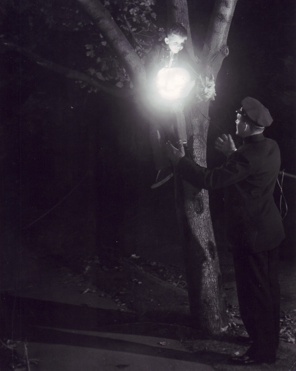
I love this shot. For it’s improbability, and for the nostalgia it engenders. How would a kid get stuck in a tree with a glowing pumpkin (clearly a Halloween PR photograph)? Not that a cop wouldn’t help him down if he did. I wonder where this was taken. Central Park?
It’s a happy ending kind of shot. Something we all long for.
Comments Off on A Simpler TimeTags: Uncategorized ·
November 20th, 2005
Undeclared Homicide and Missing Persons
Losing someone is hard. Not knowing what happened, or who killed them makes it harder. Then there is the unbearable pain of not knowing anything at all: the missings persons case. Someone disappeared. That’s all the family and friends of this person know and in some cases that is all they ever will know. They enter a nightmare limbo of waiting. Will they hear their father’s voice, or the police telling them they’ve found his body, or nothing at all until the day they die?
It could be a homicide, it’s almost certainly a homicide in many cases, but without convincing evidence, in many cases it’s almost impossible to get the case declared a homicide. Instead, the case will go to missing persons, where there are limits to what they can and will do.
As I learned writing The Restless Sleep, of all the things law enforcement does, finding people is often the most difficult. It’s one thing to figure out who the murderer is, it’s another thing to find him. There’s a lot of failure in missing persons work.
It’s a big subject, and I can’t cover it all in one blog post, but I wanted to introduce the topic. I’ve gotten more than one email about these limbo cases.
There is an incredible group of volunteers who have set up something called The Doe Network. They help law enforcement solve missing persons cases and identify unknown murder (and other) victims. I don’t know a lot about them yet, but they seem to be a creative and resourceful group. You can never sit back in life, waiting for someone else to do what needs to be done. But even if you’re willing to do whatever’s necessary, it can take a long time to get up to speed and learn how to be effective. And it’s hard to accomplish anything alone. The accumulated and accumulating expertise in this wonderful organization addresses both issues, and I would love to see it grow.
→ 2 CommentsTags: New Websites, Books and other Resources · Practical Info for Families and Friends of Victims ·
November 17th, 2005
Thank You, Panelists
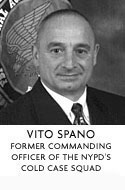
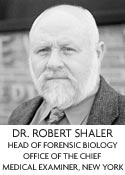
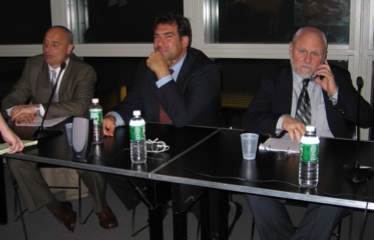
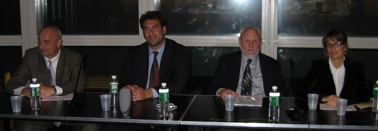
Thank you, Vito Spano, David Feige, and Bob Shaler. You did a great job last night. Also, thank you CUNY and Pamela Weppner, for hosting our panel. Everything was so perfect and ready to go, you thought of everything.
Discussion became quite … lively. One major area of disagreement arose between Spano and Feige. Feige thought District Attorneys are quick to go to trial for murder, too quick. They’ll go forward with cases with an unreliable witness, and little physical evidence. Spano strongly disagreed. He said DA’s are extremely cautious, and that’s how it should be, although he acknowledged that can be frustrating, too.
Here are a couple of shots before things got started!
Comments Off on Thank You, PanelistsTags: Uncategorized ·