

Before escalating, ask yourself honestly: are there truly things the police are not doing? Or, have they followed all the leads and gotten nowhere? Without evidence, witnesses, or new leads, there isn’t much else the police can do. While researching this book I learned, surprise, surprise, that solving murders is not like TV. Sometimes it’s pretty straight forward, they have a lot of evidence, somebody saw something, or somebody told someone something. Those murders get solved quickly. But there are times when the detectives have little or nothing to go on. Like when someone kills someone late at night, when there are no witnesses, and uses a gun, so they don’t get close enough to leave trace evidence.
Have you expressed your concerns to the detective on the case?
The police department is like any other place, some people are good at their job, some are brilliant, many are average, some people shouldn’t be there. You might have a legitimate complaint. I’ve put together a list of people to contact in New York, but for other cities I would follow this rule of thumb: write the Chief of Police or Police Commissioner (titles are different everywhere), and then cc the Mayor, the detective’s boss, and someone in the media. This is just a starting point. In New York, for instance, these people have a relationship. If you don’t get an adequate response when you take this step you might want to then contact local community and advocacy groups.
Keep your letter as succinct as possible. Say that you are writing because you do not believe the police are doing all they can to solve your relative’s murder, then give them the facts of the case briefly. Be sure to include:
– The case number.
– Name of victim (include nicknames, married names, maiden names).
– Date and location of homicide.
– The names and telephone numbers of those in law enforcement who worked on the case.
– The date of your last contact with law enforcement. How it was left? Who called you? What information did they give you?
– Your name.
– Your telephone number.
– Your relationship to the victim.
Then state the things you believe are not being done. What leads are not being followed? Which witness were not questioned? What evidence was not tested?
These instructions are a work in progress. As I come up with better tips, addresses, etc., I will edit these guidelines.
Police Commissioner Raymond W. Kelly
New York Police Department
One Police Plaza – Room 1400
New York, NY 10038
Online Mail Form
Chief of Department Joseph J. Esposito
New York Police Department
One Police Plaza – Room 1300
New York, NY 10038
Mayor Michael R. Bloomberg
City Hall
New York, NY 10007
FAX (212) 788-2460
Online Mail Form
Media. I’m going to list the addresses of three New York newspapers. I suggest reading one of these papers if you don’t already, and finding the journalist you think might be the most sympathetic and writing them.
The New York Times
229 West 43rd Street
New York NY 10036
The Daily News
450 W. 33 Street
New York, NY 10001
New York Post
1211 Avenue of the Americas
New York, NY 10036
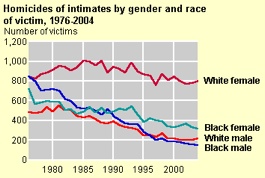 My numbers are rough because I don’t have access to all the information I need to be able to say these are hard numbers, but they are pretty good.
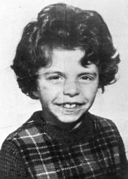 On the West Yorkshire Police website, there is only this stark announcement: